


Scientific Water Leakage Detection Methods and Technical Principles
SILVER SURVEYORS integrates international standards with technologies recognized by Hong Kong's Buildings Department, offering multi-dimensional cross-validated water leakage detection solutions tailored to scenarios such as residential properties, commercial buildings, and underground pipelines. The following outlines our core detection methods, categorized based on their common usage and technological maturity:
1. High-definition infrared thermal imaging scanning
Principle
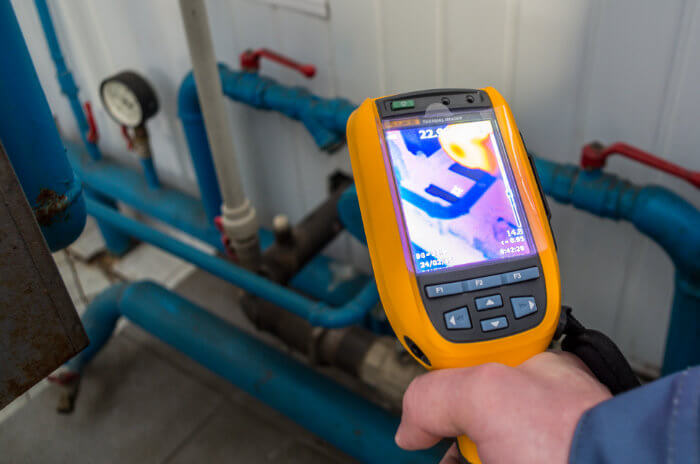
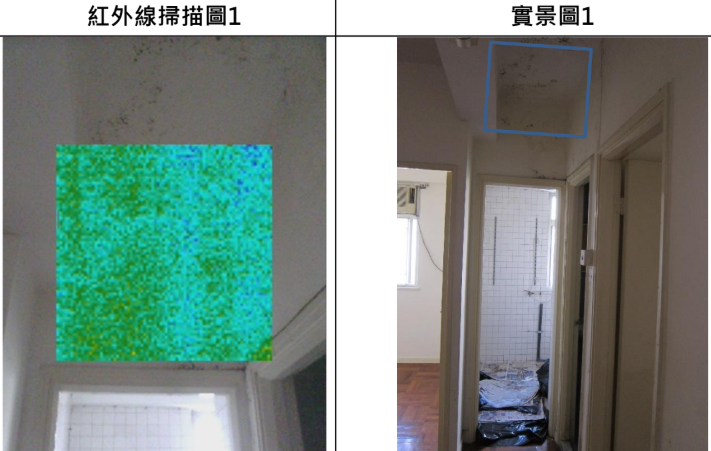
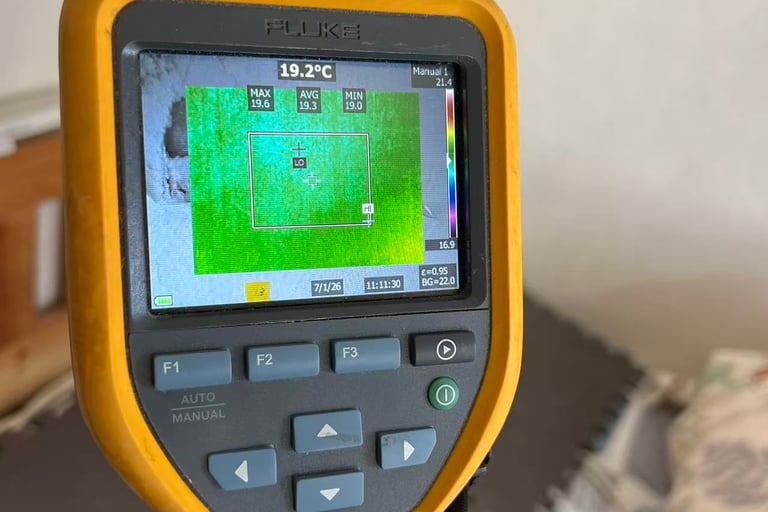
The high-definition infrared scanning method is employed to test for leakage locations that are undetectable by the naked eye. High-definition infrared scanning can detect and measure minute temperature variations in the object being inspected, and the infrared scanner can also identify leakage locations, areas, and severity through temperature differences on the object's surface. Generally, moisture, having a lower temperature than building materials, appears blue or purple, while air, being warmer than building materials, appears red.
Technical advantage
With a resolution of up to 120,000 pixels, it can identify a subtle temperature difference of 0.08°C.
Quickly scan large areas of walls and floor slabs to locate the range of hidden water traces.
Applicable scenarios
Preliminary screening for exterior wall leakage and suspected water leakage points on the ceiling
Verify deep-seated water accumulation in coordination with microwave scanning
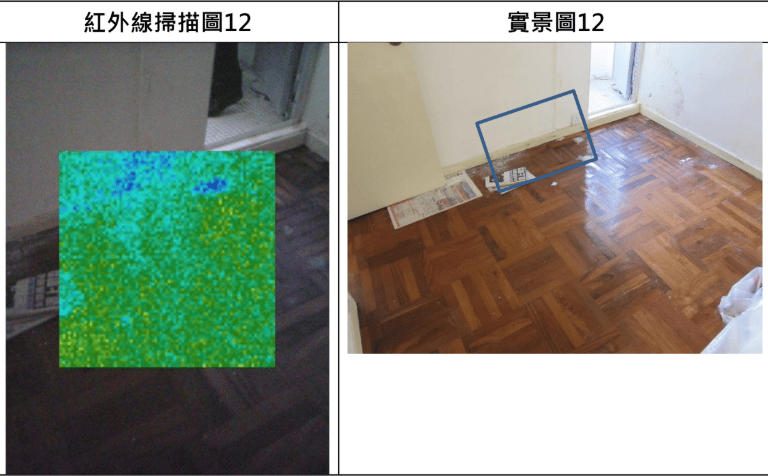
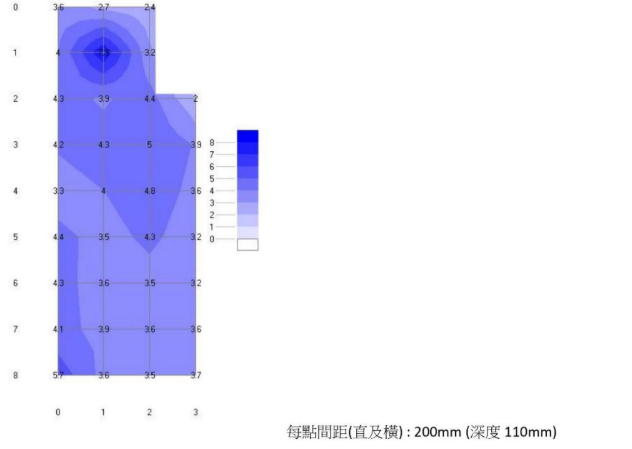
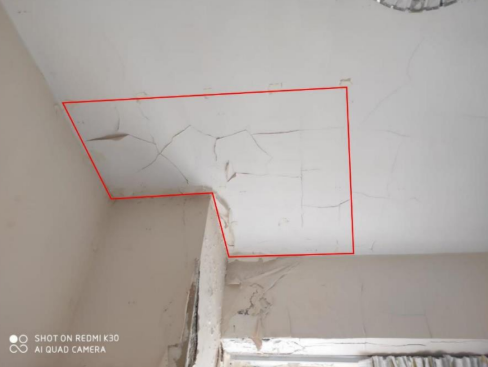
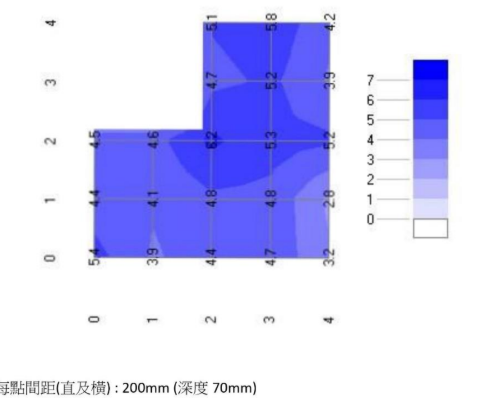
2. Microwave tomography scanning (microwave moisture detection)
Principle
When building materials are exposed to microwaves at specific frequencies (e.g., 2450 MHz), water molecules, being polar molecules, will produce a strong dielectric effect (with a dielectric constant of approximately 80, much higher than that of concrete, which ranges from 3 to 6), enabling the generation of a 3D moisture distribution map based on the degree of signal attenuation.
Technical advantage
The detection depth reaches 110mm, and it can distinguish between vertical and lateral water spread paths.
Not interfered by surface temperature, complementary to infrared rays
Applicable scenarios
Analysis of water accumulation in floor interlayer and failure of waterproof layer
Tracking of deep penetration paths in concrete
3. Principle of Conductive Induction Humidity
Principle
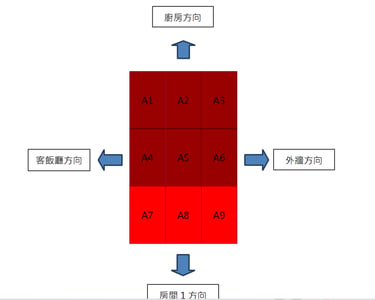
Conductive induction instruments are used to measure the humidity ratio or moisture content of the object being tested. A higher humidity reading indicates a higher water content in the object, and this method can help assess the leakage severity of the object. (Note: Changes visible above 5%.)
Technical advantage
Utilizes a needle-type multi-point probe with an accuracy of ±2%.
Displays values in real time for comparison before and after repair.
Applicable scenarios
Leakage severity grading, post-repair drying verification.
Enhances accuracy when used in conjunction with borehole sampling.
4. Fluorescent agent tracing test
Principle
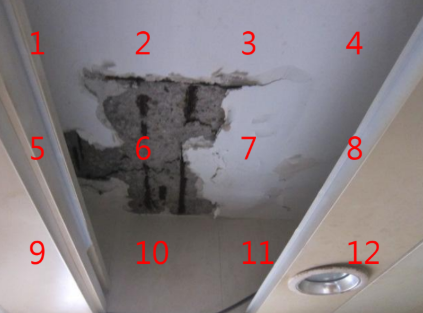
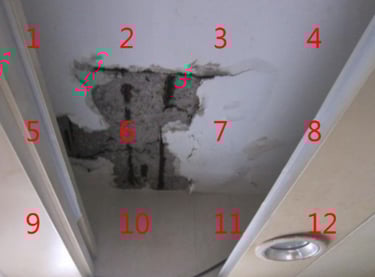
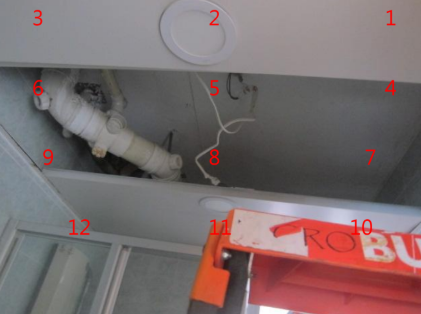
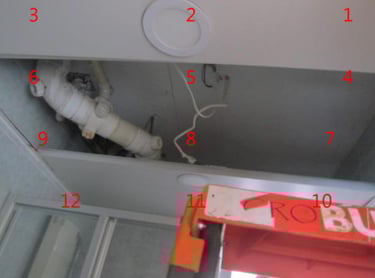
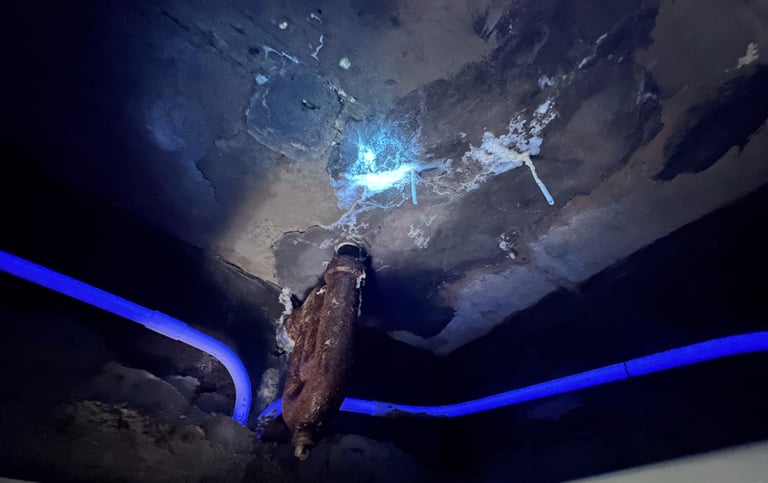
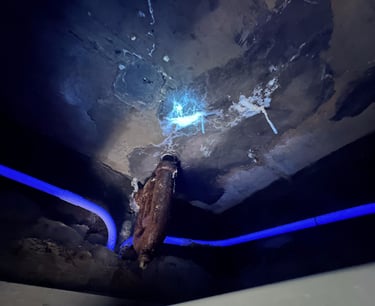
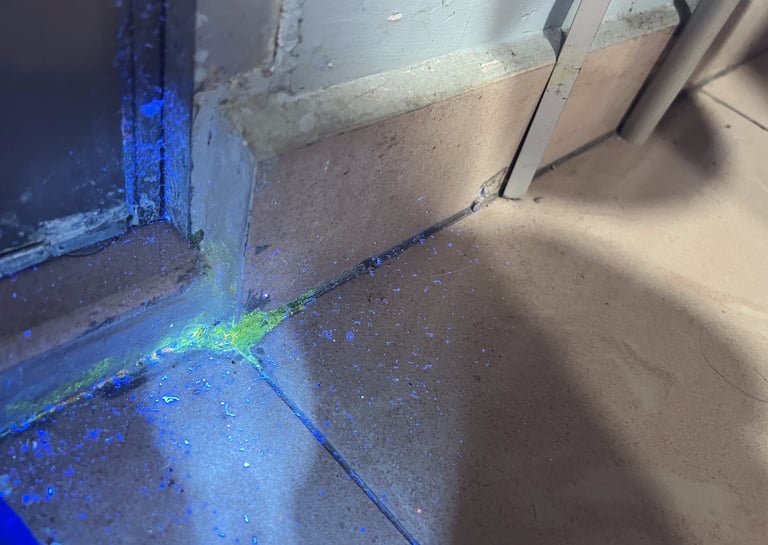
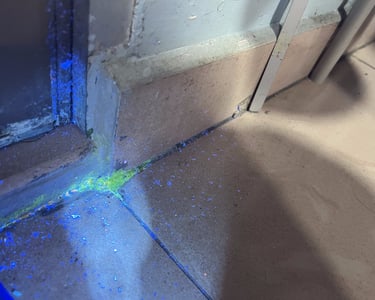
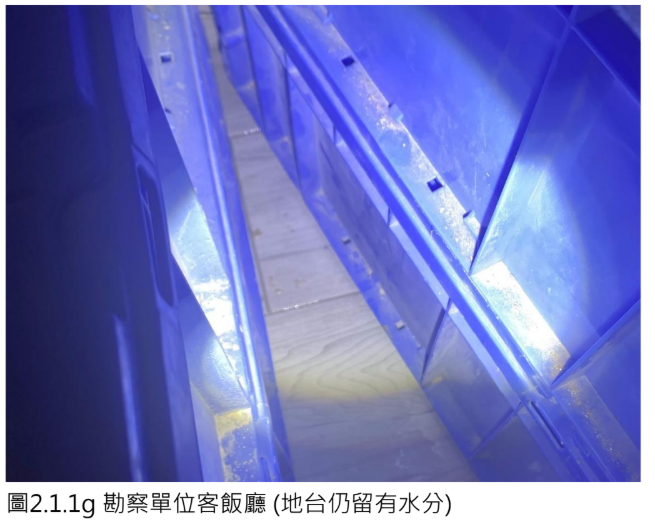
The fluorescent dye test (commonly known as the colored water test) is used to detect whether leakage is caused by drainage pipes or waterproofing layers. First, dilute non-toxic fluorescent dye in ten liters of water for the test. Pour the fluorescent dye into the drainage pipes and flush with water, or store water on the floor of the waterproofing layer to be tested. After 1 to 24 hours, use ultraviolet light to check whether the fluorescent dye appears on the ceiling of the unit below. This method is accepted by the Architectural Services Department, Housing Department, Buildings Department, and Food and Environmental Hygiene Department.
Technical advantage
In compliance with the Code of Practice for Colour Test of the Food and Environmental Hygiene Department
Distinguish between leakage of sewage pipes and drinking water pipes
Applicable scenarios
Leakage source identification in areas with intersecting multiple pipelines
Fixation of visual evidence in legal disputes
5. Acoustic and ultrasonic testing
Principle
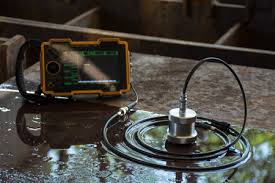
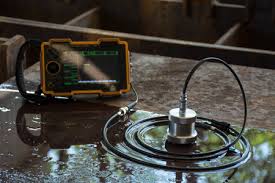
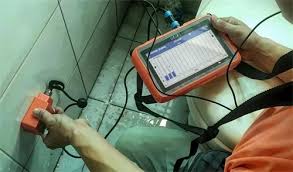
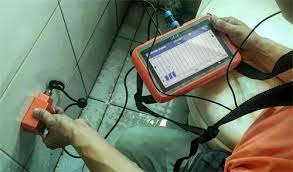
The frequency of water leakage sound in metal pipelines ranges from 300 to 2500 Hz, while that in non-metal pipelines ranges from 100 to 700 Hz. The leakage point can be located by calculating the time difference of sound wave transmission through the ground listening method or related instruments.
Technical advantage
The relevant instrument has a precision of 0.1 milliseconds and an error of less than 0.5 meters.
Can filter environmental noise (e.g., traffic sound)
Applicable scenarios
Location of active leakage points in underground pipelines and concealed pipes within walls
Nighttime operations to reduce interference
6. Chemical analysis of water samples
Principle
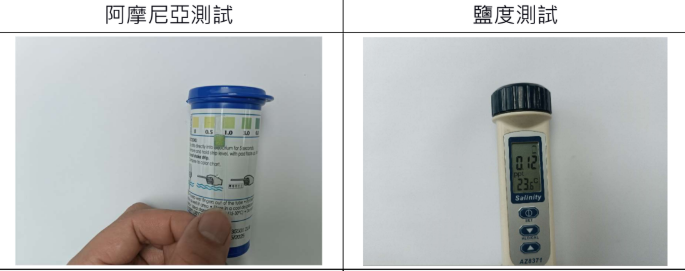
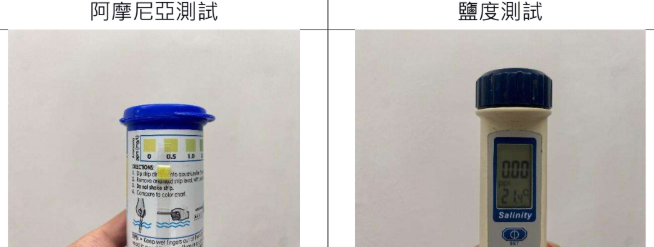
Water sample testing involves conducting chemical analyses on collected seepage water samples, such as examining the salt content and ammonia content of the water. The water sample testing method can help trace the possible leaking water pipes or sources, such as freshwater (caused by freshwater pipes), saltwater (caused by saltwater pipes), water containing urine components (caused by toilet drainage pipes), etc. This method is accepted by the Water Supplies Department.
Technical advantage
Precise traceability: Utilizing multi-indicator cross-validation (e.g., high salt content + positive urea test = sewage pipe rupture) to avoid misjudgment of pollution assessment based on single data.
Pollution assessment: pH value and corrosivity indicators can predict long-term damage to building materials caused by leakage.
Cost-efficiency: The test paper method reduces on-site detection time by 70%, while laboratory analysis ensures authoritative results.
Applicable scenarios
Residential leakage: Toilet leakage causes dampness in wall corners, with positive urea test results and alkaline pH (due to ammonia decomposition), confirming a sewage pipe issue.
Industrial area leakage: Excessive salt content in surface water, with a pH below 5.0; combined with sulfate ion testing, it is judged to be infiltration of industrial acidic wastewater.
Historical building restoration: Salt crystallization on walls; the ratio of chloride salts to nitrates is analyzed through ion chromatography to distinguish between groundwater infiltration and chemical contamination.
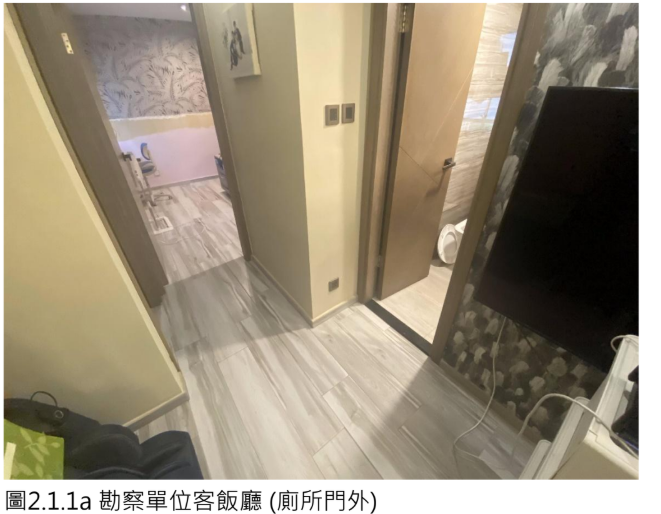
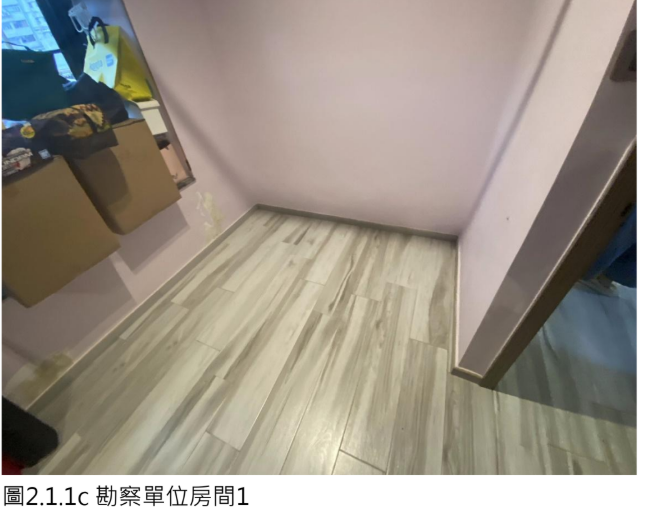
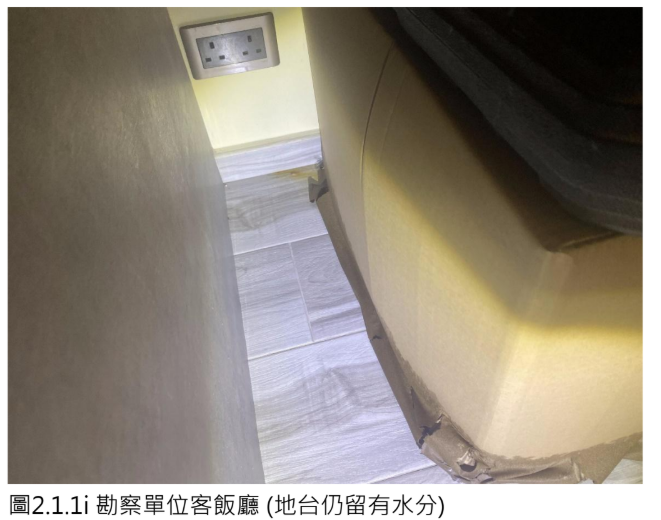
7. Visual inspection method
Principle
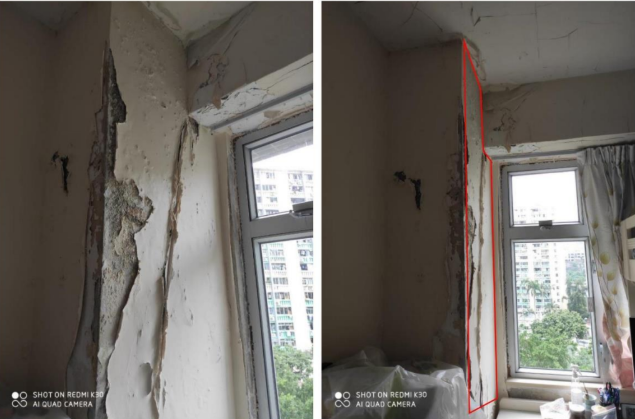
The inspection personnel will assess the potential causes and sources of water infiltration and leakage by conducting on-site visual inspections of the current status of water supply/waterproofing/refrigeration facilities.
Technical advantage
By directly observing the visual characteristics of the water seepage location (water stain patterns, color depth, surface changes), establish a preliminary basis for judging water seepage paths.
It can immediately identify obvious structural defects (such as cracks, hollowing) or equipment problems (pipeline rust, loose connections).
The observation results serve as the positioning basis for subsequent precise detection, narrowing down the key detection range of instruments such as infrared scanners.
Infer the direction of the leakage source based on the symptom distribution pattern (spot/linear/areal) to improve the efficiency of subsequent detection.
A preliminary assessment can be quickly completed without special equipment, making it suitable for priority handling in emergency situations.
Preliminary maintenance suggestions can be provided on-site to ensure timely maintenance for customers.
Applicable scenarios
Basic inspection before handover of newly built property
Preliminary on-site liability judgment for water leakage disputes
Regular items for periodic building inspections
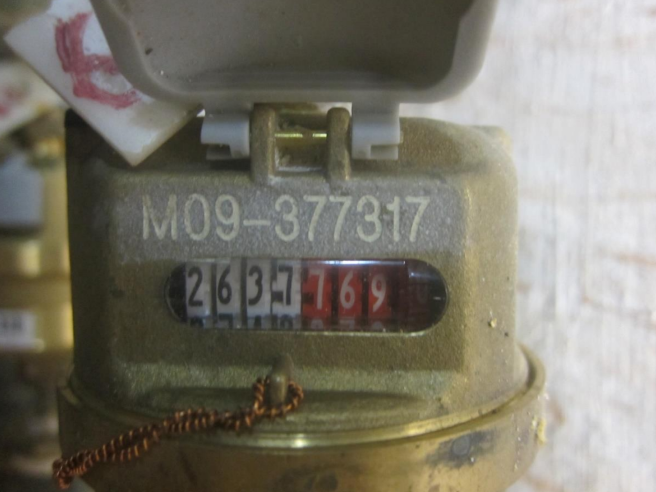
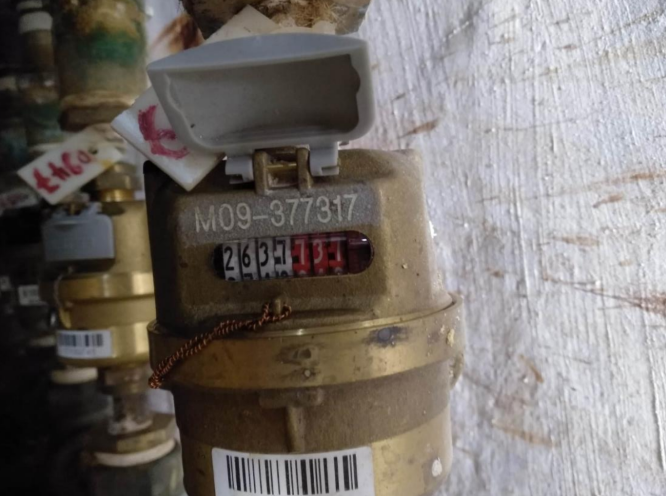
8. Flowmeter testing method
Principle
The core theory of this method is based on the law of conservation of mass. In a closed water supply pipe network, if all water consumption points (such as faucets, toilets, etc.) are completely closed, theoretically, the total volume of water flowing into the system should equal zero. At this point, if the flow meter continuously records a stable positive flow reading, it indicates that some water is continuously leaking through cracks or damages in the pipes, meaning there is a leak.
The monitoring process is usually divided into two stages:
Static Baseline Measurement: During periods with no water usage activities at all (such as late at night), a stable baseline flow rate over a period of time is recorded to serve as the environmental background value.
Continuous Monitoring and Analysis: Through long-term (e.g., several hours to 24 hours) continuous monitoring, abnormal flow fluctuations or sustained low flow readings are captured, while other interfering factors (such as minor leaks from pressure relief valves) are excluded, thereby accurately identifying the fact of leakage.
Technical advantage
Non-destructive and highly cost-effective: It enables preliminary screening of the entire pipe network system without the need to chisel open walls or floors, significantly saving time and costs.
Quantitative and highly sensitive: The measurement accuracy of modern electronic flow meters can reach a level of 5 milliliters every 30 minutes, enabling the detection of extremely minor leaks, far surpassing human judgment capabilities.
Systematic assessment: This method can evaluate the overall condition of all water supply branches from the water meter to the interior of a building, helping to identify scattered or multi-point leaks that are difficult to detect at a single inspection point.
Compliance with official standards: This method aligns with the standard testing methods adopted by the Hong Kong Buildings Department and Water Supplies Department, and its data results possess a high degree of credibility and reference value, serving as a strong basis for subsequent maintenance or negotiations.
Applicable scenarios
Preliminary diagnosis of concealed water supply pipe leaks: When a leak is suspected in concealed water supply pipes within walls or underground, but cannot be immediately located through visual inspection or other methods, this approach serves as the preferred initial screening tool.
Confirming the continuity and severity of leaks: By quantifying the amount of water leaked per hour or per day, it helps assess the severity of the leak and provides data support for formulating repair plans and evaluating costs.
Pre-property transaction acceptance inspection: Prior to buying, selling, or leasing a property, this method can swiftly evaluate the health of the water supply pipe system, thereby avoiding subsequent disputes arising from concealed leak issues.
Post-repair verification: After completing pipe repairs, a flow meter can be used again for testing, objectively verifying the repair effectiveness by comparing flow data before and after the repairs.
9. Reverse stress testing method
Principle
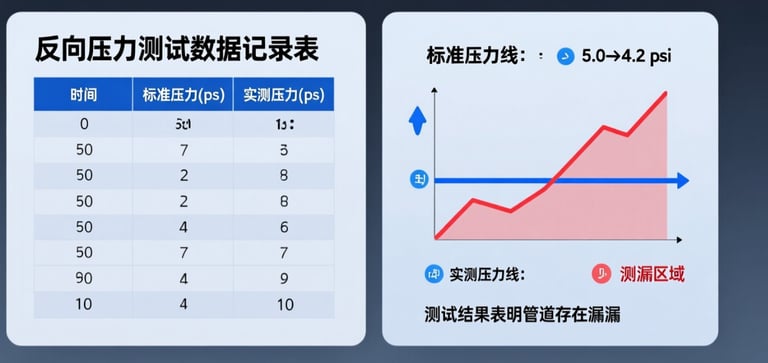
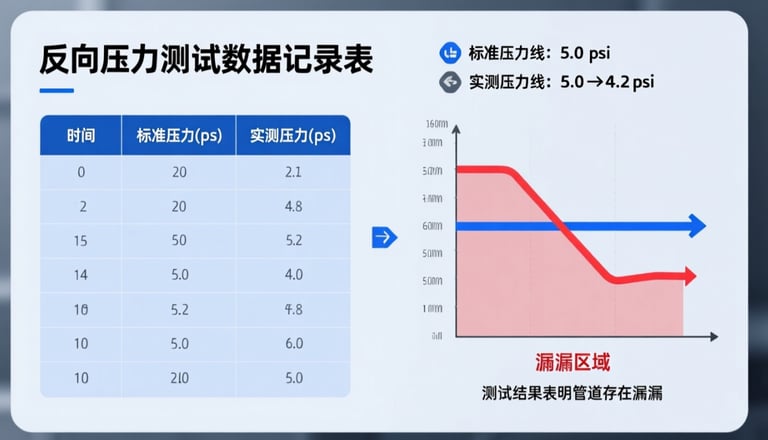
The core of this method lies in the principle of pressure conservation in fluid mechanics. In a completely sealed drainage pipe system, the internal pressure should remain stable after air or water is injected and the system is sealed. During testing, specialized equipment (such as an air pressure pump or water pressure pump) is used to apply a standardized reverse pressure (typically 1-5 pounds per square inch, or filling with water to a certain height) to a specific drainage outlet (such as a floor drain) and maintain it for a period of time (usually 5-10 minutes).
Principle judgment: If, during the pressure maintenance period, the pressure value displayed by the instrument shows a continuous and significant drop, it proves that there are sealing defects in the drainage pipe system, causing the inability to maintain pressure and thus confirming the presence of leakage points. The rate of pressure drop is directly proportional to the size and quantity of the leakage points.
Technical advantage
The results are intuitive and reliable: Whether the pressure value is stable is objective data, enabling direct judgment and yielding clear and highly convincing conclusions.
Precise location: This method can pinpoint the leakage range to a specific drainage pipe branch (such as all drainage facilities in a bathroom), helping to narrow down the inspection scope.
Non-destructive testing: It usually allows for the effectiveness assessment of drainage pipes hidden within walls or underground without the need to chisel open structures.
Efficiency and cost-effectiveness: The testing process is rapid, enabling the sequential inspection of multiple drainage points within a short time frame at a relatively low cost.
Applicable scenarios
Sealing inspection of floor trap drains or bathtub floor drains.
Suspected cracks or looseness in the joints or bodies of the toilet waste pipes or sink drain pipes.
Suspected sewage stains have appeared on the ceiling of the downstairs unit, and it is necessary to confirm whether they are caused by leakage from specific drain pipes in the upstairs unit.
Conduct post-renovation acceptance to check whether the newly installed drainage pipe system meets sealing standards.
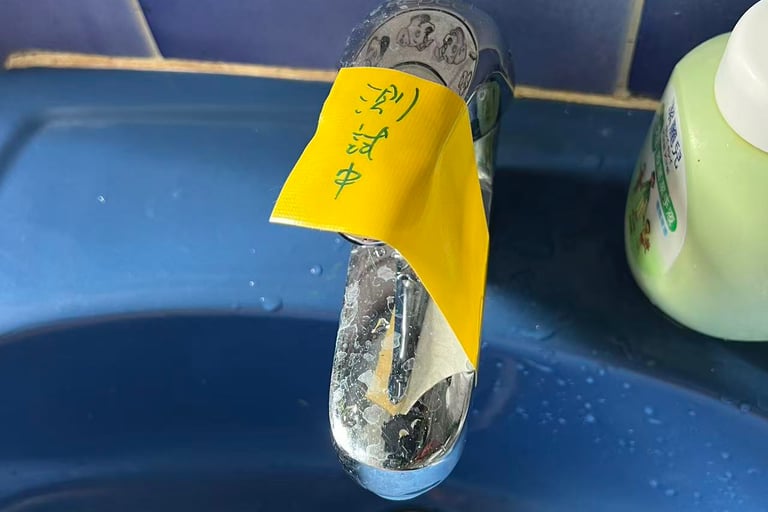
10. Acoustic detection method
Principle
This method is based on the principles of acoustics and vibration. When fluid (water) is ejected under high pressure from a break in the pipeline, two primary signals are generated
Acoustic waves: the sound of water leakage propagates upstream and downstream through the water body and pipe wall, with its frequency characteristics related to the leakage volume and pressure.
Vibration: the ejected water flow striking the surrounding soil or pipe base generates high-frequency vibrations that propagate along the pipe wall.
During detection, a highly sensitive listening rod (mechanical leak detector) or more advanced correlation leak detector is used. The correlation leak detector places two sensors at the contact points on the pipe body at both ends of the suspected leak location (such as fire hydrants and valves). By calculating the time difference in the arrival of the leakage sound at the two sensors and combining it with the propagation speed of acoustic waves in such pipelines, the precise location of the leak can be accurately calculated.
Technical advantage
Extremely precise positioning: In particular, the relevant leak detection instruments can control errors within 1 meter, significantly reducing the scope of excavation and repair.
High sensitivity: Capable of detecting extremely minor leaks (several liters per hour), enabling early warning.
Not restricted by ground conditions: Effective for pipes buried deeply, with buildings above, or paved with asphalt/concrete.
Digital analysis: Modern equipment can record and analyze acoustic spectra, helping to distinguish between water leakage noise and environmental interference noise, thereby improving judgment accuracy.
Applicable scenarios
It is suspected that concealed leaks in the underground water main or the building's main water supply pipe have led to abnormally high water bills.
There are suspected leaks in concealed water supply pipes within walls or beneath floors, but their locations cannot be visually confirmed.
During periods of low ambient noise (such as late at night), a listening rod is used for preliminary inspections of exposed pipes.
Preventive maintenance checks are conducted on critical piping systems to detect potential leak risks early.
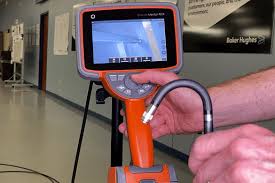
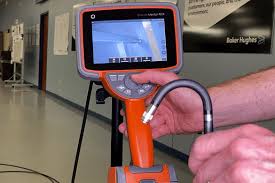
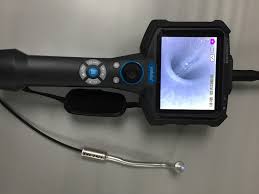
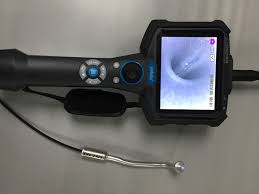
11. Industrial endoscope inspection method
Principle
The core principle of industrial endoscopes lies in optical conduction and image capture. The system mainly comprises three parts:
The probe and optical components: equipped with a high-definition CCD/CMOS lens at the front end, surrounded by fiber-optic lights for internal illumination.
The conduction system: transmits images via fiber-optic bundles or electrical signals, with the probe capable of 360° rotation to capture internal scenes without dead angles.
Image processing and display: enlarges and displays images on a screen in real time, supporting functions such as photographing, video recording, ranging, and defect marking.
Applicable pipe diameter: The probe diameter ranges from 3mm to 20mm, enabling detection in narrow spaces (such as concealed pipes within walls and pipe joints).
Resolution: Up to 4K image quality, with a minimum identifiable crack width of 0.1mm.
Technical advantage
Intuitive and Precise:
Directly observe defects such as cracks, corrosion, and blockages, avoiding indirect inference errors from infrared or acoustic testing.
Real-time images can serve as legal evidence, meeting the evidentiary requirements of the Hong Kong Buildings Department's Code of Practice for Water Seepage Investigation.
Non-Destructive Testing:
No need to chisel open structures; testing can be completed through existing openings (such as inspection holes and pipe connections), saving on repair costs.
Efficient and Multifunctional:
Equipped with extended functions such as ranging, 3D modeling, and fluorescent marking, it can quantify defect dimensions (e.g., crack length, corrosion area).
The inspection report includes image annotations for easy client understanding and subsequent maintenance positioning.
Adaptability to Complex Environments:
The waterproof probe (IP67 rating) can operate in humid and oily environments, withstanding temperatures from -20°C to 120°C.
Applicable scenarios
Internal pipeline inspection: Probing the interior structures of water supply pipes, drainage pipes, and air conditioning condensate pipes.
Internal structural inspection: wall interlayers, areas beneath floors, and cavities above ceilings
Equipment Diagnosis: Internal Valve, Storage Tank Welds, Mechanical Seals
Maintenance verification: Confirmation of pipeline repair quality after construction
Technology Combination Process and Legal Effect
SILVER SURVEYORS employs a tiered testing framework to ensure reproducible results that meet forensic evidence standards:
Preliminary screening (within 24 hours)
Infrared whole-house scanning + conductive moisture detection → Identify suspected areas
Cause tracing (within 48 hours)
Utilize specialized technologies based on preliminary results (such as microwave scanning for deep water channels and dye tracing for pipeline paths)
Cross-validation and Reporting
The Leakage Source Identification Report shall only be issued when at least two types of technical data match.
Compliance Statement: All instruments are calibrated annually by the Hong Kong Accreditation Service, and the original data chains are retained for 7 years, meeting the requirements for expert witnesses as stipulated in Appendix E of the Rules of the District Court.
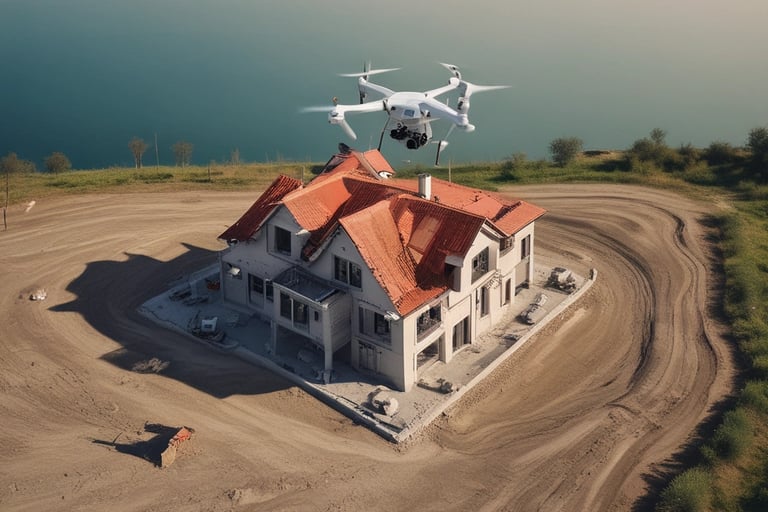
12. Drone Survey Method
Principle
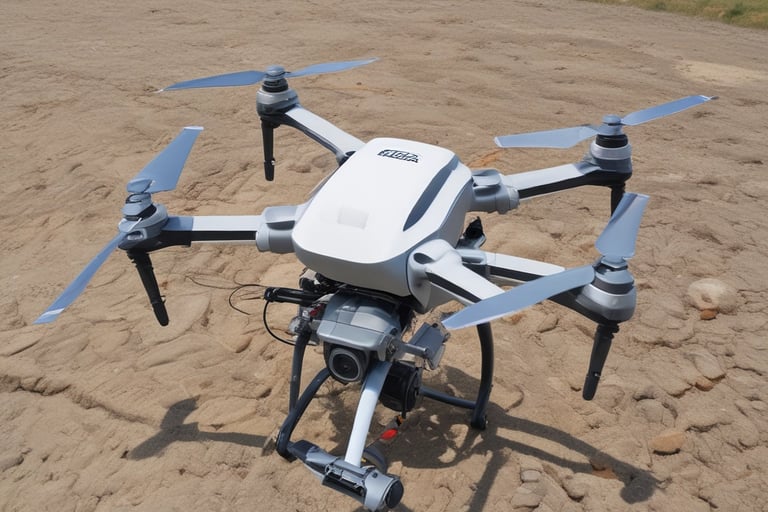
Drone Survey Method is an advanced, non-contact inspection technology that utilizes unmanned aerial vehicles (UAVs) equipped with various sensors for efficient, large-scale geospatial data acquisition and analysis. This method integrates remote sensing, artificial intelligence, and real-time data transmission to rapidly capture high-precision information on surface and subsurface structures, significantly enhancing survey efficiency and safety.
Technical advantage
High Efficiency and Large-Scale Coverage:
A single drone flight can cover extensive areas (e.g., 12 km²), increasing survey efficiency by 3.8 times and reducing costs by up to 42% compared to traditional methods. It is particularly effective in complex terrains like highlands and marshlands .
High-Precision and Multi-Dimensional Data:
Capable of achieving image resolutions down to 5 centimeters and detection depths of up to 200 meters with LiDAR, allowing for precise identification of surface and sub-surface features.
Enhanced Safety and Adaptability:
Drones can access hazardous environments (e.g., landslide areas, contaminated sites), reducing accident risks by 63%. They can operate in extreme temperatures from -30°C to 50°C .
Real-Time Processing and Intelligent Analysis:
With 5G connectivity, data can be transmitted in real-time. AI algorithms can instantly identify anomalies like cracks or leaks, generating actionable, visual reports.
Applicable scenarios
Geological & Mineral Exploration: Mountainous areas, forest regions for mineral vein identification and geological mapping.
Building & Infrastructure Inspection: Bridges, dams, high-rise building facades, and structural health monitoring.
Disaster & Environmental Monitoring: Landslide and earthquake zone assessment; tracking pollution source distribution.
Urban Planning & Illegal Construction Monitoring: Land use surveys, identification of unauthorized structures.
Expertise
Impartial evaluations and certifications for construction projects.
Integrity
Quality
Tel: +852 3489 9268 (general inquiry)
+65183092
+66084330
Fax: +852 3460 0214
Mobile: +852 6518 3092
Wtsapp +852 5423 3828
Email: info@silversurveyor.org
© 2025. All rights reserved.